
Why do porta potties smell in the first place?
Odor comes from three things: tank level, heat, and time between services. Every standard porta potty rental carries a 60 to 70 gallon holding tank, and once that tank fills past a certain point, gas has nowhere to go but up through the seat. Summer heat in Winston-Salem speeds that up. A unit sitting on hot asphalt for a two week stretch without a pump-out is going to smell worse than the same unit serviced weekly, no contest. This is why the interval matters more than the deodorizer packet inside. ANSI/PSAI Z4.3 sets that weekly baseline for up to 10 users across a standard 40 hour week, and it is the number we plan routes around, not a guess. High traffic events need tighter intervals than that, which is one reason a porta potty rental checklist always asks about headcount before it asks about days. If you are still figuring out how many units a job needs, our how many porta potties do I need guide walks through the math, and OSHA 1926.51(c) sets the ratio for construction crews specifically.
Does the type of unit change the smell?
It does, some. A deluxe flushable porta potty uses a flush mechanism and fresh water rinse, which cuts odor more than a standard unit relying on chemical treatment alone. An ADA accessible porta potty is the same tank size as standard, just built with a 60 inch turning circle per ADA Standards 304.3.1 and a wider door, so smell control is identical to a standard unit on the same service schedule. For weddings or corporate events where appearance matters more, a lot of Winston-Salem clients skip porta potties entirely and go with a restroom trailer rental, which runs climate control and real plumbing. Either way, the unit type matters less than the visit frequency. A porta john rental left unserviced for three weeks will smell regardless of which model it is. Placement plays a role too. Full sun and low airflow both make odor worse, which our porta potty placement guide covers in more depth than we can here.
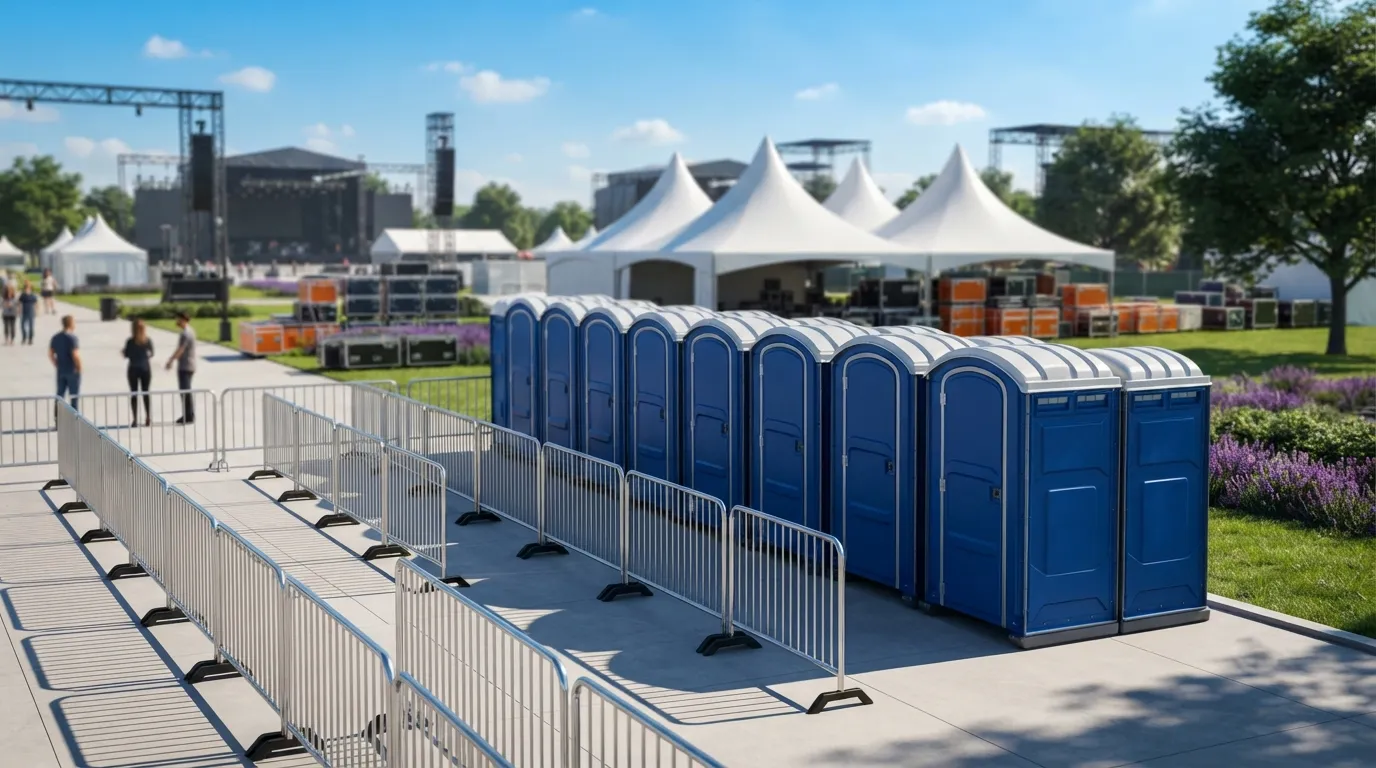
How often are porta potties cleaned to control odor?
Weekly is the baseline under ANSI/PSAI Z4.3, but busier sites need more. A construction crew of 30 workers, for example, falls under OSHA 1926.51(c)(1), which calls for one toilet seat and one urinal once you cross 20 workers, and more units mean more frequent attention per unit if usage is heavy. Events see the same logic. A festival pulling a few thousand people through a weekend needs same-day or twice-daily service, not a once-a-week visit. Our festival restroom rental and concert restroom rental jobs get scheduled that way from the start. For long-term rentals, our monthly porta potty rental plans build the pump-out schedule into the price up front, so nobody is caught guessing halfway through the month. Curious what a typical service call runs. Check porta potty rental cost or porta potty rental per day for the ranges.
Can I do anything to reduce odor between services?
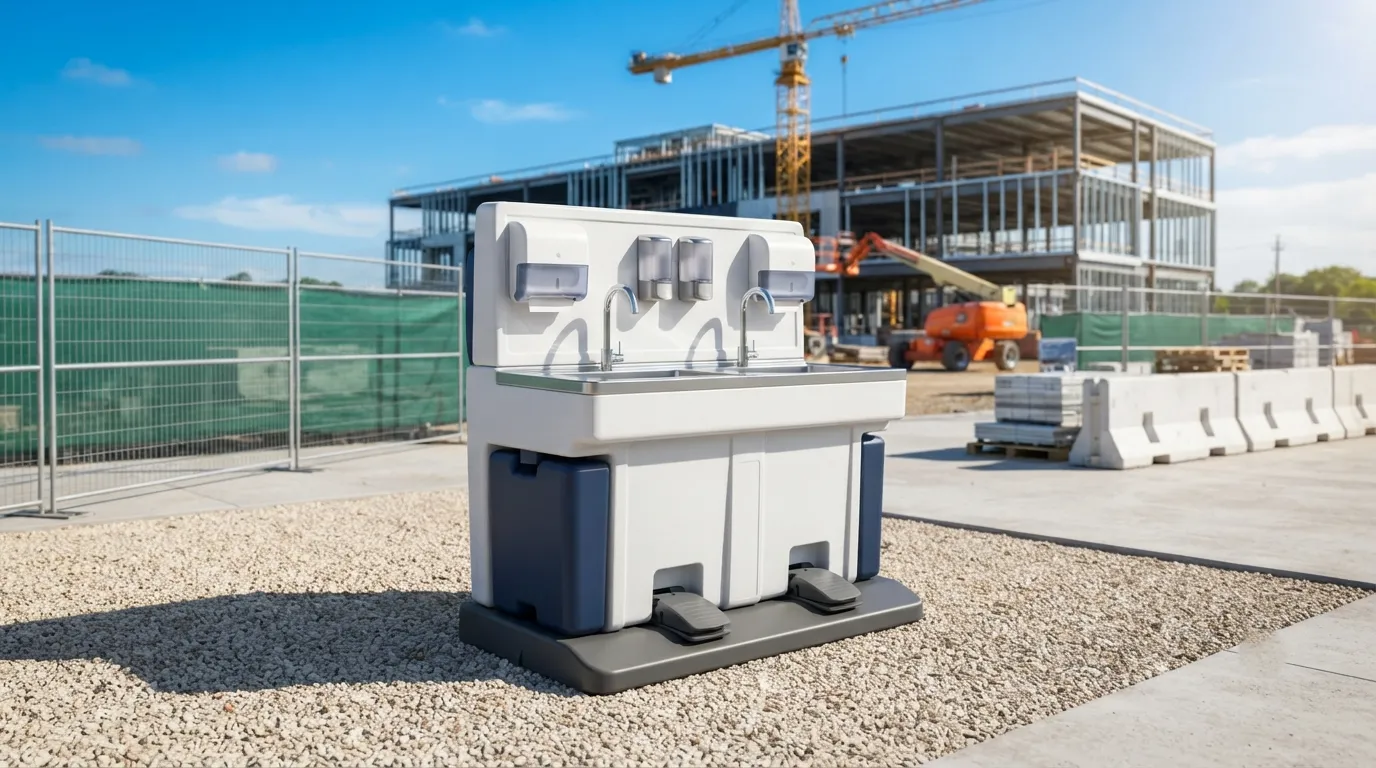
Yes. Keep the door closed when not in use, since airflow through an open unit dries out the chemical treatment faster and lets odor spread. Avoid tossing anything besides toilet paper into the tank. And don't place the unit against a wall or fence line with no breeze, since stagnant air traps smell. If you run any operation involving paints, coatings, herbicides or insecticides on site, OSHA 1926.51(f)(1) requires washing facilities separate from toilet facilities, and pairing a handwashing station rental nearby helps keep the whole area cleaner, not just the toilets. 29 CFR 1910.141(d)(2) requires soap and towels or a hand-drying device at wash stations, since hand sanitizer alone does not meet that standard. For home projects, a home renovation porta potty on a quiet residential street benefits from the same placement rules. If you are unsure where you're even allowed to put one, our porta potty permit requirements page is a good starting point, since right-of-way placement needs confirming with the city and we won't guess at a rule we haven't verified.
| unit | duration | typical price |
|---|---|---|
| standard | day | $150 |
| standard | week | $200 |
| standard | month | $200 |
| deluxe | week | $250 |
| ada | week | $185 |
Winston-Salem Porta Pros services sites from downtown out to Bethania, 8.0 miles northwest, and Walkertown, 9.5 miles northeast, on the same weekly rhythm. Clemmons sits 9.2 miles southwest and Kernersville 12.4 miles east, both inside our regular route. If your event or job site falls outside that radius, our service areas page lists coverage in more detail, including porta potty rental in High Point, NC 20.1 miles southeast.
Do porta potties smell worse in summer?
Yes, heat speeds up bacterial breakdown inside the tank, which increases gas buildup faster than in cooler months. Winston-Salem summers push us to tighten service intervals on longer rentals. Winter brings its own issues instead, covered on our porta potty in winter page.
Will a brand new unit still smell?
Not much, at first. A fresh unit has clean chemical treatment and an empty tank, so odor builds gradually with use. Expect noticeable smell only as the tank fills toward capacity between services.
Does adding more units reduce smell?
Yes, indirectly. More units mean less use per toilet, which slows tank fill and cuts odor buildup. This is part of why OSHA 1926.51(c) ties unit count to crew size rather than leaving it flat.
Can I request extra services if it smells between visits?
Yes. Call and we'll route an extra pump-out, usually within a day. This comes up most on hot week-long rentals or high-traffic events where usage outpaces the standard interval.
Are flushable units really less smelly than standard ones?
Generally, yes. The flush and fresh water rinse in a deluxe unit clears waste from view and reduces surface odor better than a standard unit, though both need the same regular pump-out to stay under control long term.
Next step
Get a delivery date
Tell us the address, the dates and the headcount. We size the order and confirm the route.