
How Much Does Septic Tank Pumping Cost?
Most homes in Winston-Salem pay somewhere between 150 and 300 dollars for a standard pump-out, and that spread is the honest answer, not a dodge. The low end fits an easy-access tank that gets serviced on schedule. The high end shows up when the lid is buried, the driveway is tight, or nobody has pumped the tank in years and the crew is hauling more solids than liquid. Homes on well-maintained schedules tend to stay near the bottom of that range. A residential tank is typically pumped every 3 to 5 years, and that interval is driven by tank size and household size, not by a fixed calendar date. If you are not sure where your tank falls, our septic pumping service page walks through what a first-time visit looks like, and how often to pump a septic tank breaks the interval down further.
| service | duration | low | typical | high |
|---|---|---|---|---|
| septic pumping | day | 150 | 250 | 300 |
| septic pumping | weekend | 50 | 100 | 150 |
What Drives Septic Tank Cleaning Prices Up or Down?
Access is the biggest lever. A truck that can park close and run a short hose costs less than one working a hose across the yard. Tank condition matters just as much: a tank pumped on schedule is mostly liquid, while a neglected tank has years of solids packed at the bottom, and that takes longer to break up and extract. Winston-Salem yards vary a lot, from tight infill lots near downtown to acreage out past Bethania, 8.0 miles northwest, where trucks usually have more room to work. If your grease interceptor is the concern rather than a home septic tank, that is a different service and a different price band; see grease trap pumping for that. Renovation projects sometimes need a temporary solution while the septic system is offline, and a holding tank rental bridges that gap. If a tank backs up outside normal hours, emergency septic service covers same-day response.
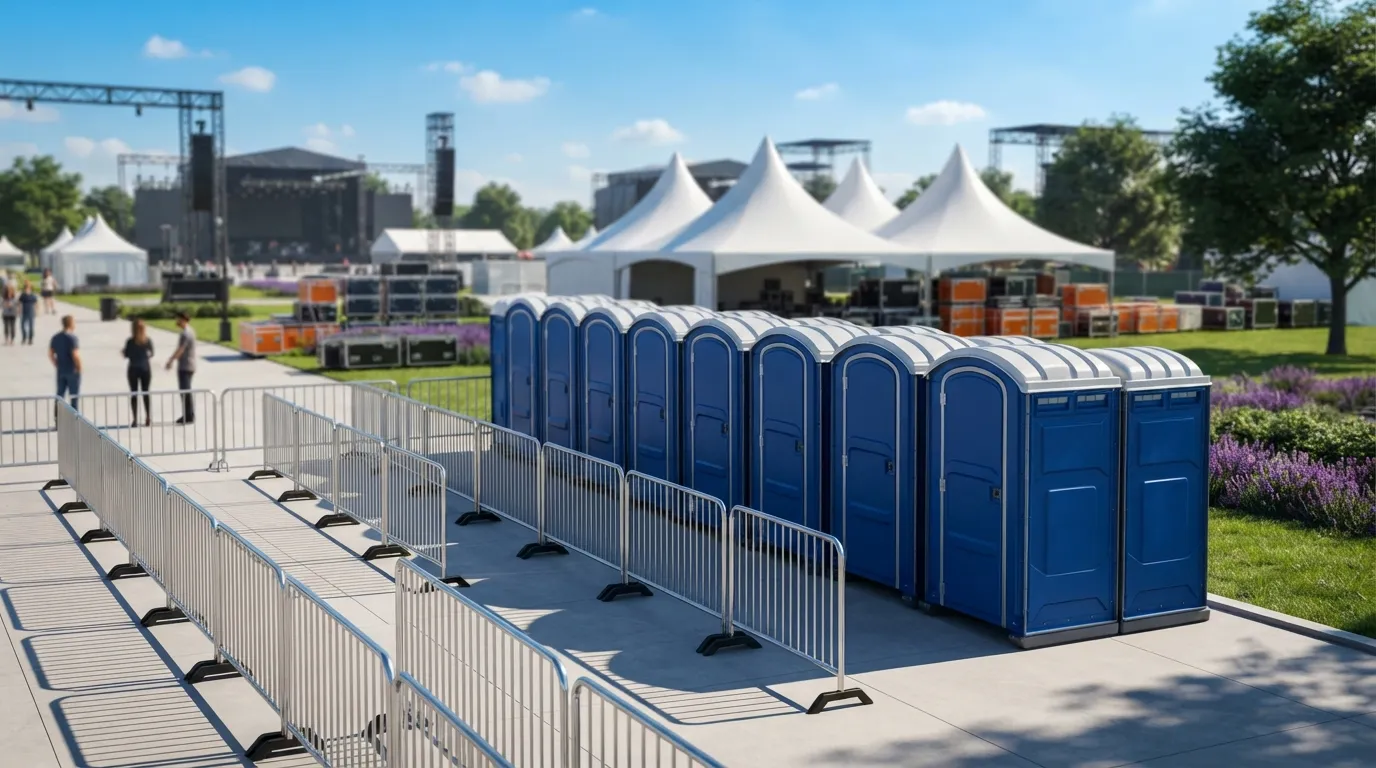
Why Does a 1,000 Gallon Septic Tank Cost More to Pump Some Years Than Others?
The tank size does not change, but the buildup inside it does. A 1,000 gallon tank that gets pumped every 3 to 5 years, as most residential tanks do, holds a fairly predictable volume of sludge each time. Skip a cycle, add a few more people in the house, run heavy laundry loads for a year, and the solids layer grows. That means more time on site and sometimes a second pass with the hose. Watching for slow drains, gurgling pipes or standing water near the tank lid helps catch a problem before it becomes an emergency call; our septic tank warning signs page lists what to look for. Regular septic tank cleaning on a normal interval is what keeps the job in that lower part of the price range instead of the upper end.
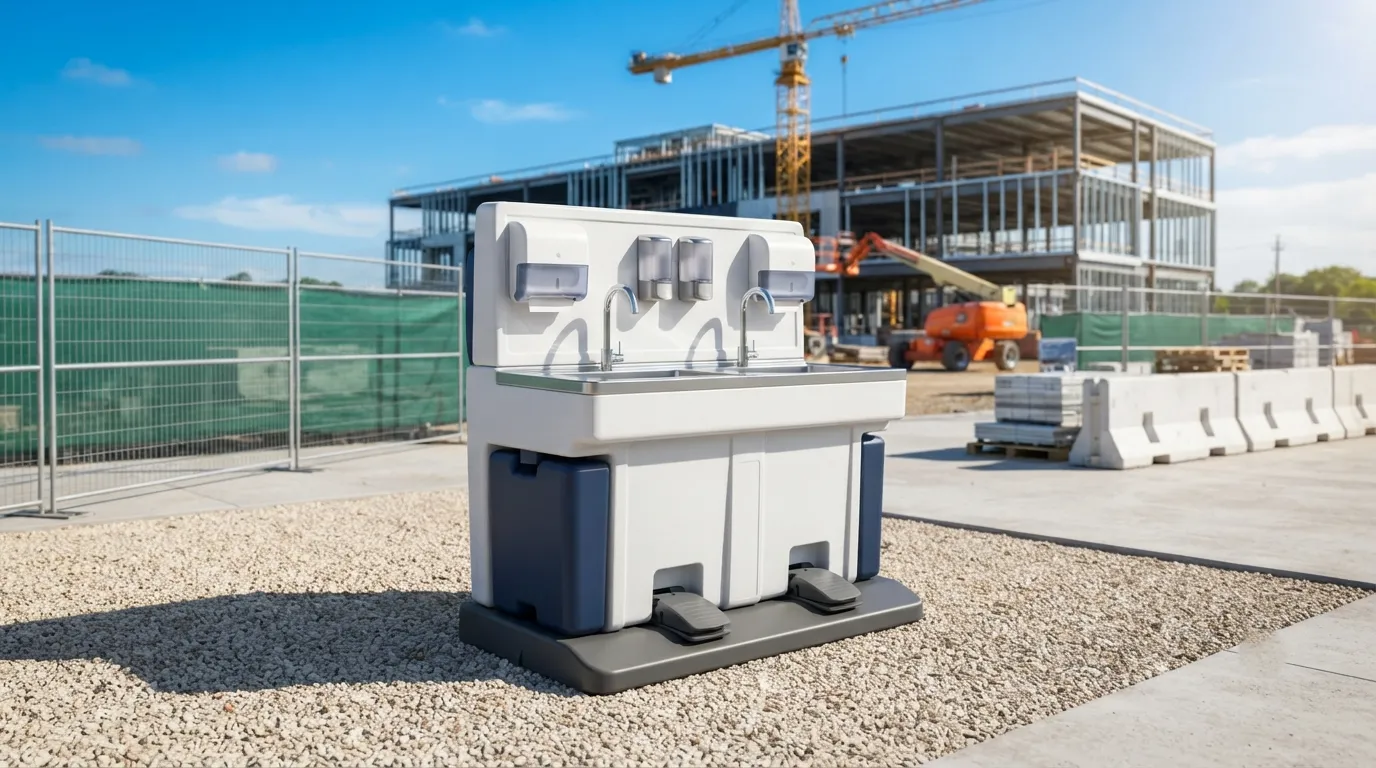
Is Septic Tank Pumping Cheaper Than Waiting Until It Backs Up?
Yes, almost always. A scheduled pump-out is a straightforward day-rate job. An emergency call after a backup often means the crew is dealing with a fuller tank, tighter timing and sometimes standing wastewater in the yard, all of which add time on site. Winston-Salem households on septic systems that space pump-outs on the standard 3 to 5 year interval avoid most of that. If you are weighing septic against other wastewater setups for a renovation or new build, septic tank pumping cost is the number to start from, and how often to pump a septic tank explains how household size changes that math. For sites that need portable restrooms during the work, whether it is construction site services or a straightforward home renovation porta potty, those run on separate rental schedules entirely from septic service.
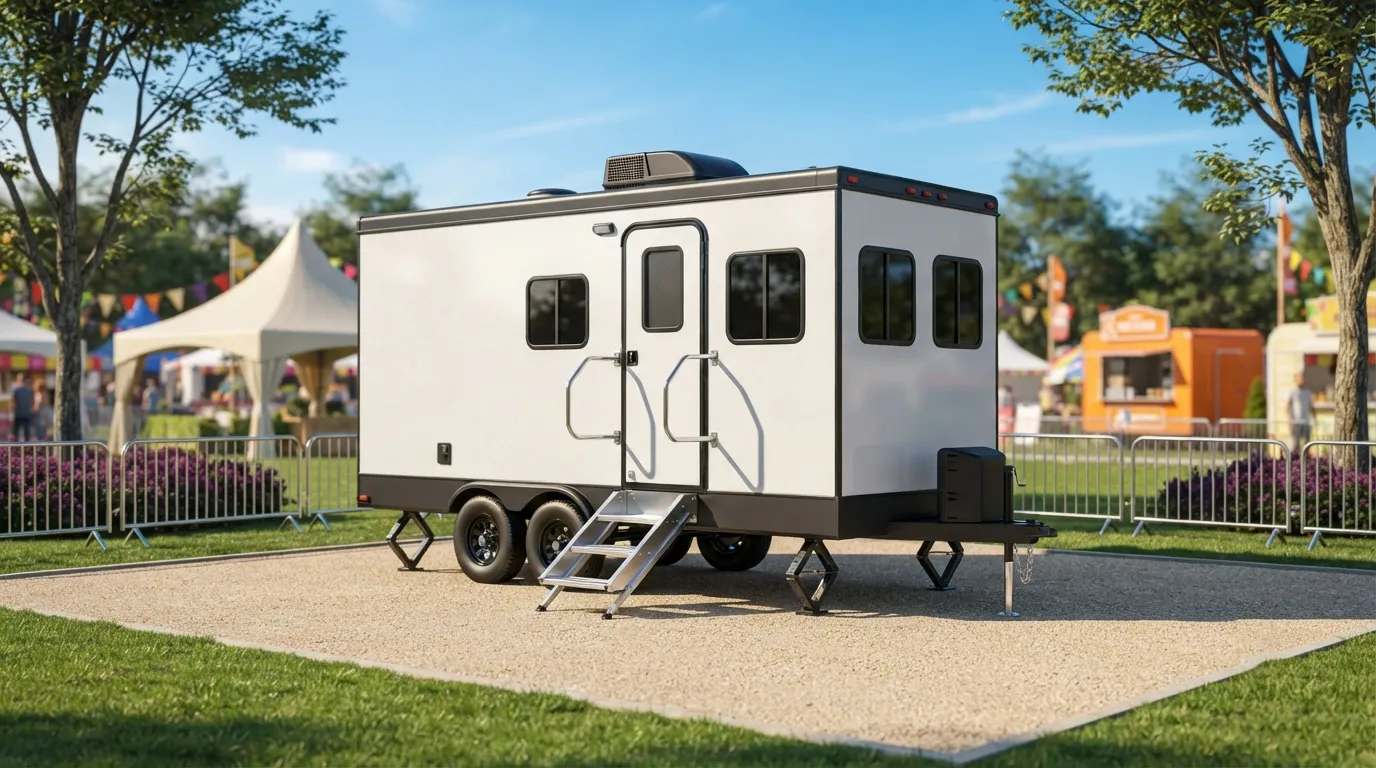
What Else Affects Septic Tank Pumping Cost Near Me?
Distance and scheduling both play a role. A crew based centrally in Winston-Salem reaches most of the city and nearby towns without a long drive, but jobs out toward Lexington, 26.6 miles south, or High Point, 20.1 miles southeast, may carry a bit more in travel time built into the visit. Clemmons sits 9.2 miles southwest and Kernersville 12.4 miles east, both close enough that access and tank condition matter more than distance. If your property sits outside city sewer service entirely, or you are building new, it is worth checking current septic and well rules with the county before scheduling, since those requirements are set locally and are not something we guess at. For general site sanitation questions unrelated to septic tanks, our portable restroom rental and porta potty rental in Winston-Salem pages cover that separately, and the service areas page lists everywhere we run routes, including Walkertown and Lewisville.
How much does it cost to pump a 1,000 gallon septic tank?
Expect 150 to 300 dollars for a standard day-rate visit, with typical jobs landing near 250. The exact number depends on access to the tank and how much sludge has built up since the last pump.
How often should a residential septic tank be pumped?
Every 3 to 5 years for most households, based on tank size and how many people live in the home. Larger households or smaller tanks lean toward the shorter end of that window.
Does weekend septic service cost more?
Yes. Weekend pumping in Winston-Salem runs roughly 50 to 150 dollars above the standard day rate, since it is scheduled outside the normal weekday route.
What makes a septic pump-out more expensive?
Poor access, a buried or hard-to-reach tank lid, and a heavy solids buildup from skipping a scheduled interval all add time on site, which raises the price toward the higher end of the range.
Is a grease trap the same as a septic tank?
No. A grease trap or interceptor gets pumped when fats, oils, grease and solids reach 25 percent of the liquid depth, a different trigger than a home septic schedule. See grease trap pumping for that service.
Next step
Get a delivery date
Tell us the address, the dates and the headcount. We size the order and confirm the route.